

- Bitcoin trades at $81,860 (+0.97% 24h) as CryptoQuant flags three unmet conditions for a durable recovery
- Exchange reserves hit cycle low of 2.68M BTC but have risen since early October — absorption test now active
- Spot demand remains negative vs. positive futures demand in Oct 30-day rolling data — structural buying absent
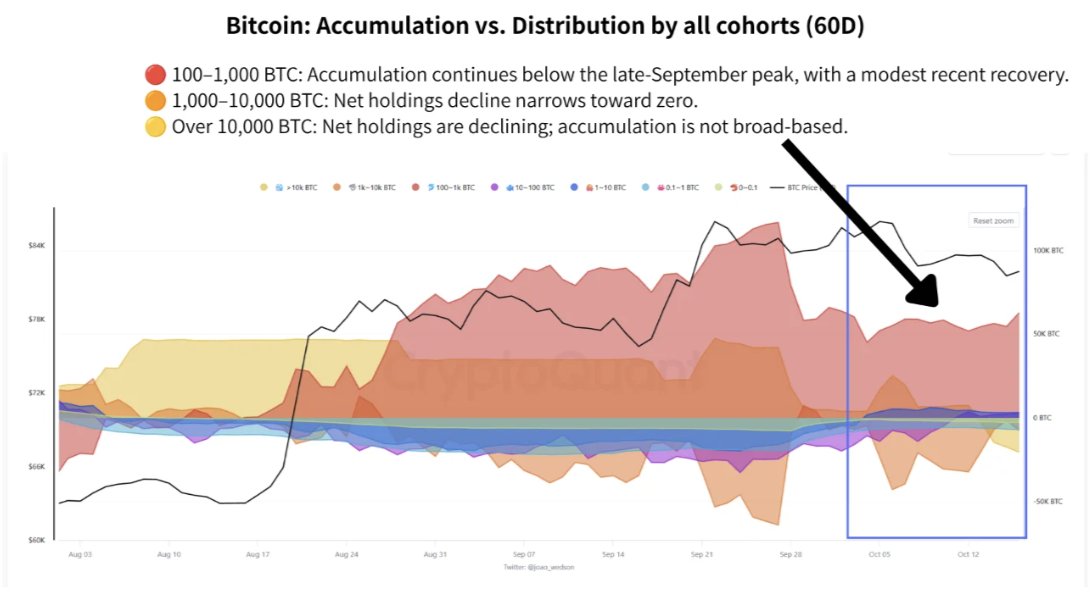
- Large holders (>10K BTC) shifted to net distribution after late September; accumulation is not broad-based
Bitcoin is trading at $81,860 — up 0.97% in the past 24 hours and carrying a market cap of $1.645 trillion. The price recovery looks orderly on the surface. But three October charts published by CryptoQuant analyst @xwinfinance reveal a more complicated picture beneath it: the structural conditions required for a durable recovery have not yet been satisfied.
The analyst’s conclusion is direct: “A durable recovery needs sustained positive spot demand, buyers absorbing BTC returning to exchanges, and accumulation spreading across holder groups.” That is not a general observation — it is a three-part diagnostic framework, and October’s on-chain data is being measured against each criterion specifically.
Chart 1 — Exchange Reserves: Low but Climbing
The first chart tracks Bitcoin exchange reserves across all exchanges from January 2026 through October 2026. Exchange reserves hit cycle lows near the start of October, reaching approximately 2.68M BTC — the lowest reading visible on the chart’s left axis. Since then, reserves have begun curling upward. The CryptoQuant annotation on the chart reads explicitly: “Bitcoin Exchange Reserves Remain Low but Have Risen Since Early October.”
This is the supply-side signal. Low exchange reserves are typically interpreted as a bullish structural condition — less BTC sitting on exchanges means less available sell pressure. But the recent uptick complicates that reading. When reserves rise, it means BTC is moving back onto exchanges — a directional shift that introduces selling pressure. The question @xwinfinance frames is not whether reserves are low, but whether demand is strong enough to absorb the BTC now returning. At 2.68M BTC and rising, that absorption test is active right now.
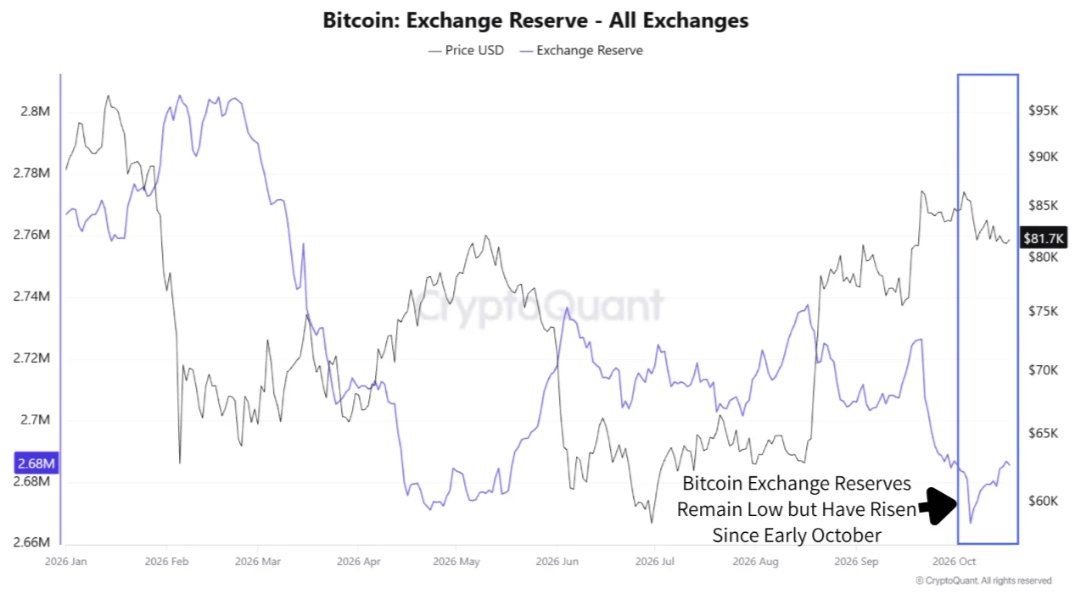
Chart 2 — Demand Composition: Futures Leading, Spot Faltering
The second chart covers a 30-day rolling demand sum for Bitcoin from January 12 through early October 2025, separating spot demand (gray bars) from futures demand (blue bars). The chart’s annotation is unambiguous: “Spot Demand Recovery Falters as Futures Demand Leads.”
In the highlighted October zone, futures-driven demand bars extend positively while spot demand bars shrink or turn negative. Total demand has dipped below zero. This divergence matters because futures demand reflects leveraged positioning — it can be unwound rapidly. Spot demand, by contrast, represents outright BTC purchases with direct price support. A recovery built primarily on futures positioning lacks the structural foundation that sustained rallies historically require. The fact that spot demand has not recovered to match futures activity is the second unmet condition in @xwinfinance’s framework.
For broader context on what sustained Bitcoin demand looks like at the indicator level, see Bitcoin Power Law Oscillator at 34.5 — The +100 Threshold Maps to $157,800.
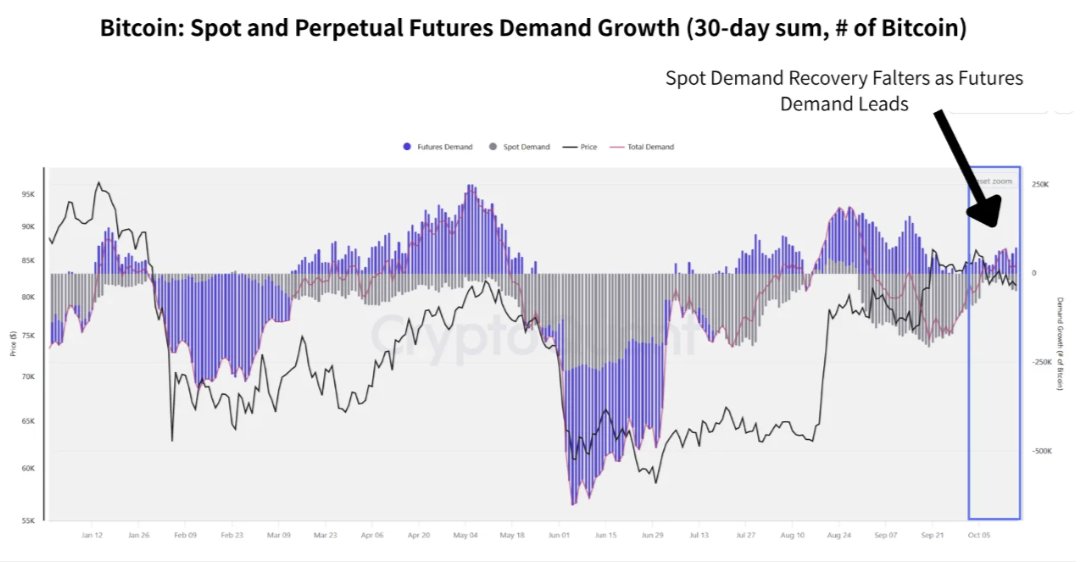
Chart 3 — Holder Accumulation: Narrowing, Not Broadening
The third chart is perhaps the most structurally significant. It tracks Bitcoin accumulation versus distribution across wallet cohorts using a 60-day moving window, spanning August 3 through October 12. The upper accumulation bands expand meaningfully through mid-September — but then visibly compress and narrow after late September into October.
The large holder cohort — wallets holding more than 10,000 BTC — has shifted below the zero line, indicating net distribution. Mid-tier holders show net change narrowing toward zero. Only the 100–1,000 BTC cohort shows modest continued accumulation. The analyst’s black arrow points directly at the compressed accumulation band in the highlighted October box, flagging the compression explicitly. Accumulation is not broad-based. The third condition — accumulation spreading across holder groups — is the furthest from being met.
This cohort-level distribution at the large-holder tier is consistent with the whale activity flagged separately in Bitcoin Whale Sell-Off at $87K — Is $82,500 a New Buying Opportunity?.
Why These Three Conditions Work Together
Each chart isolates a different layer of market structure. Exchange reserves measure supply availability. The demand composition chart measures who is buying and through what instrument. The cohort accumulation chart measures whether conviction is distributed across the holder base or concentrated in a narrow segment.
A recovery that satisfies only one or two of these conditions can still reverse. A recovery that satisfies all three simultaneously has a structurally different profile. October’s data currently shows: reserves low but rising (supply pressure building), spot demand lagging futures demand (thin structural buying), and large holders distributing while mid-tier holders go neutral (narrowing accumulation base). None of the three conditions is confirmed.
Bitcoin has navigated seasonally challenging windows before — most recently holding through October’s historically weakest three days, up 1.86% where the seasonal average is -0.66% — but seasonal resilience and structural durability are separate questions.
Bullish Scenario
If spot demand turns sustainably positive on the 30-day rolling metric, exchange reserve inflows stabilize or reverse, and mid-to-large holder cohorts return to net accumulation, all three of @xwinfinance’s conditions would be met simultaneously. That structural alignment would represent a materially different backdrop for the current $81,860 price level.
Bearish Scenario
If exchange reserves continue rising while spot demand remains negative and large holders continue distributing, the price recovery at $81,860 would lack on-chain confirmation. Under that scenario, the current level would represent positioning ahead of confirmation rather than a confirmed durable recovery.
Three independent on-chain signals — exchange reserves, demand composition, and cohort accumulation — are all incomplete against the specific conditions CryptoQuant analyst @xwinfinance identifies as necessary for a durable Bitcoin recovery. At $81,860, price has recovered. The structural foundation beneath it has not. The metric to track in real time: DeFiLlama and CryptoQuant’s daily spot demand and exchange reserve figures. When spot demand turns consistently positive and large-holder distribution reverses, the framework flips. Until then, watch whether exchange reserves stabilize at the 2.68M BTC level — a continued rise without demand absorption is the clearest near-term stress signal in the data.
Source: x.comFrequently Asked Questions
What are the three conditions CryptoQuant says Bitcoin needs for a durable recovery?
Why does it matter that futures demand is leading spot demand in October?
What does it mean that large Bitcoin holders shifted to net distribution after late September?
What specific on-chain metric should traders watch to confirm a structural shift in Bitcoin’s recovery?
Source: CryptoQuant · Published by CoinsProbe Markets Desk
The opinions and market insights shared on CoinsProbe represent the views of individual authors based on prevailing market conditions at the time of publication. Cryptocurrency investments carry significant risk and volatility. Readers are encouraged to conduct their own research and seek professional financial advice before making investment decisions. CoinsProbe and its contributors do not accept responsibility for financial losses or decisions made based on published content.
CoinsProbe may publish sponsored articles, affiliate links, or promotional collaborations. All sponsored material is clearly labeled to maintain transparency with our audience. Our editorial decisions remain fully independent, and advertising partnerships do not influence reviews, rankings, or published opinions.
Since 2023, CoinsProbe has delivered reliable insights on cryptocurrency, blockchain, and digital assets. Our content is created by experienced researchers and analysts who follow strict editorial standards focused on accuracy, transparency, and credibility. Every article is carefully reviewed and verified using trusted sources and current market data. We provide unbiased analysis and timely updates covering everything from emerging crypto projects to major industry developments.