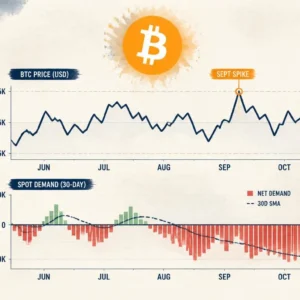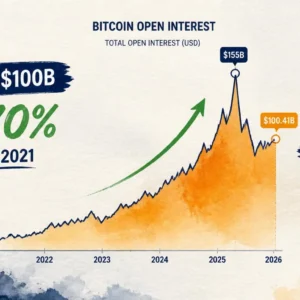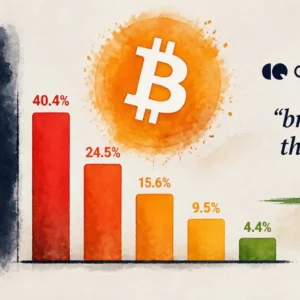



- Bitcoin is trading near $61,661, holding above the key $60,000 level.
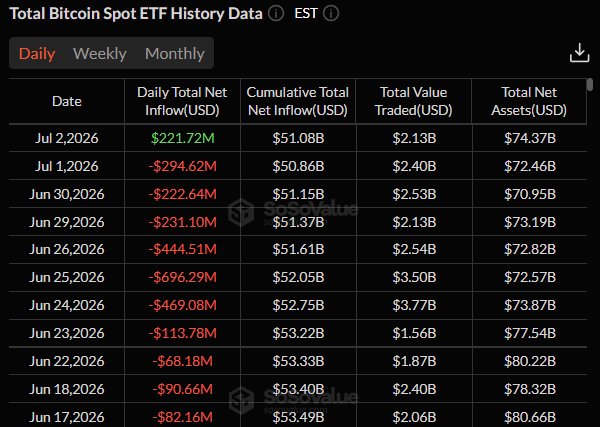
- Spot Bitcoin ETFs saw $221.7 million in net inflows, ending a 10-day outflow streak.
- Total cumulative ETF inflows remain strong at $51.08 billion.
- On-chain data shows retail investors and whales have returned to accumulation, signaling renewed confidence.
Bitcoin is providing two reinforcing signals today — one from institutional ETF flows, and one from on-chain wallet behaviour — that together describe a market where the selling pressure that has defined the past several weeks appears to be genuinely exhausting itself.
BTC at a Glance — July 3, 2026
Bitcoin is currently trading at $61,660.97, up +2.14% in the last 24 hours and +3.32% over the past 7 days. The token’s market capitalization stands at approximately $1.23 trillion.

BTC Spot Net ETF Inflows Return After 10 Days of Outflows
The most immediate and market-significant development today is the reversal in Bitcoin spot ETF daily flows.
On July 2, 2026, Bitcoin ETFs recorded a +$221.72 million daily net inflow — ending a streak of 10 consecutive days of net outflows that had been one of the more persistent institutional selling periods of the current cycle.
| Metric | Data |
|---|---|
| July 2 daily net inflow | +$221.72 million |
| Prior consecutive outflow days | 10 days |
| Cumulative total net inflows | $51.08 billion |
Why the streak-ending matters:
Ten consecutive days of outflows represents a sustained, directional institutional decision to reduce Bitcoin ETF exposure — not random day-to-day noise but an extended period of consistent net selling from the institutional ETF wrapper. A $221.72 million single-day inflow reversing that streak is therefore a meaningful directional signal — suggesting that the cohort of institutional participants using Bitcoin ETFs has reached the point where buying is resuming rather than continuing to sell.
The cumulative context: Despite the 10-day outflow streak, cumulative net inflows remain at $51.08 billion — confirming that the long-term institutional demand thesis has not reversed. The recent streak was a correction within a structurally positive institutional adoption trend, not a fundamental shift in direction.
Coordinated $BTC Accumulation Across All Wallet Sizes
While the ETF data provides the institutional flow picture, on-chain wallet cohort data from @alicharts provides the behavioural confirmation from across the full market participant spectrum.
Over the past 30 days — following months of net selling pressure during the correction — investors across multiple wallet size categories have flipped from net selling to net buying simultaneously. As we covered in detail in our Bitcoin DCA below the 200-week SMA article, this kind of multi-cohort accumulation convergence is relatively uncommon and has historically been a strong signal that the market has found a high-value price floor.
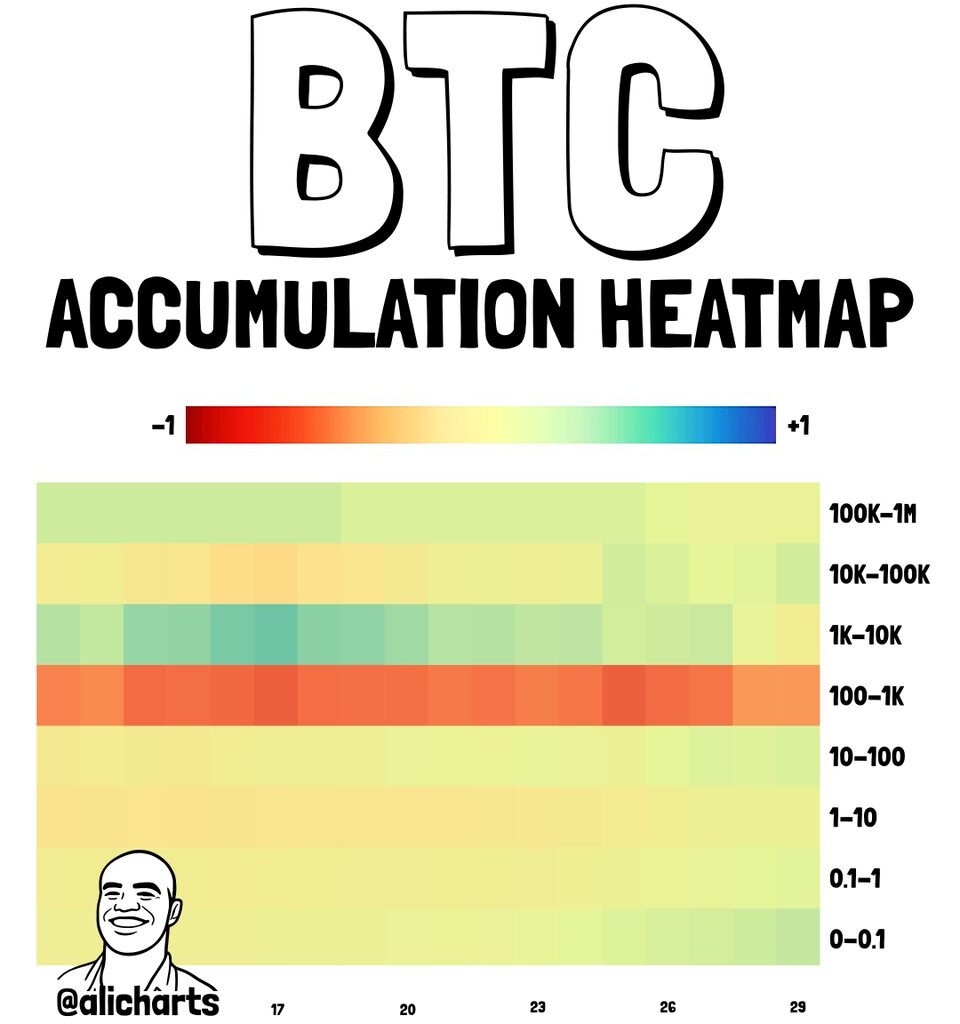
Retail investors (under 1 BTC):
The smallest wallet holders — typically the most sentiment-driven and reactive market segment — have increased their buying intensity meaningfully over the past 30 days. Retail buying specifically during a price correction — rather than into price strength — reflects genuine value perception at current prices rather than momentum chasing. This is the opposite of the FOMO-driven buying that characterises less reliable retail accumulation signals.
Mid-sized whales (10–100 BTC):
This cohort — representing experienced individual investors and smaller institutional participants who have typically survived multiple market cycles — has also turned actively accumulative. The 10–100 BTC range carries particular signal weight because it represents participants with enough capital discipline to distinguish between short-term price volatility and longer-term structural value.
Large entities (1,000–100,000 BTC):
The largest tracked wallet category — including institutional funds, custodians, and major holders — has stopped net selling and flipped to net buyers, though at a more measured and cautious pace than smaller cohorts. This deliberate, gradual scaling-in is actually the typical behaviour pattern of large capital allocators — they enter slowly and systematically rather than aggressively, which is why their signal is no less meaningful for being measured in pace.
The Broader Picture — Multiple Signals Converging
Today’s dual ETF and on-chain signal doesn’t exist in isolation — it joins a body of evidence that has been building throughout June 2026 pointing toward a market that is transitioning from distribution to accumulation:
The 45% of Long-Term Holder supply in unrealised loss that we covered in detail — at a level historically associated with major cycle bottoms — combined with historically elevated LTH accumulation at those same loss levels. The Ethereum monthly TD Sequential buy signal that has appeared for only the third time since 2021. And now the first positive Bitcoin ETF daily inflow in 10 days, coinciding with all major wallet cohorts simultaneously in accumulation mode.
Each of these signals measures the same underlying dynamic from a different angle. The convergence across institutional flows, on-chain wallet behaviour, technical momentum indicators, and long-term holder positioning is the kind of multi-dimensional alignment that characterises the early stages of genuine market recovery phases.
Bottom Line
Bitcoin at $61,660 is reinforcing its hold above $60,000 on a day when two independent signals confirm a meaningful shift in market dynamics: $221.72 million in Bitcoin ETF inflows ending a 10-day outflow streak, and all major wallet size cohorts simultaneously in accumulation mode for the first time in months.
Neither signal guarantees an immediate, linear price recovery — short-term volatility remains possible, and macro factors including the BOJ rate cycle remain live headwinds. But the combination of returning institutional ETF demand and coordinated on-chain accumulation across retail, mid-sized, and large wallet holders simultaneously provides one of the more constructive structural backdrops Bitcoin has shown since the correction began.
Watch whether the ETF inflow streak continues in subsequent sessions — a sustained return to positive daily flows over multiple days would significantly strengthen the case that institutional sentiment has genuinely turned.
Frequently Asked Questions
What happened with Bitcoin ETF flows on July 2?
Bitcoin spot ETFs recorded a +$221.72 million daily net inflow — the first positive inflow after 10 consecutive days of net outflows — signalling a meaningful reversal in institutional sentiment.
Which wallet size cohorts are now accumulating?
All three major categories — retail (under 1 BTC), mid-sized whales (10–100 BTC), and large entities (1,000–100,000 BTC) — have all flipped from net selling to net buying over the past 30 days simultaneously.
Why does multi-cohort accumulation matter?
When participants across all wallet sizes accumulate simultaneously, it reduces available liquid sell-side supply from multiple directions — creating structural conditions for price recovery when demand returns.
The opinions and market insights shared on CoinsProbe represent the views of individual authors based on prevailing market conditions at the time of publication. Cryptocurrency investments carry significant risk and volatility. Readers are encouraged to conduct their own research and seek professional financial advice before making investment decisions. CoinsProbe and its contributors do not accept responsibility for financial losses or decisions made based on published content.
CoinsProbe may publish sponsored articles, affiliate links, or promotional collaborations. All sponsored material is clearly labeled to maintain transparency with our audience. Our editorial decisions remain fully independent, and advertising partnerships do not influence reviews, rankings, or published opinions.
Since 2023, CoinsProbe has delivered reliable insights on cryptocurrency, blockchain, and digital assets. Our content is created by experienced researchers and analysts who follow strict editorial standards focused on accuracy, transparency, and credibility. Every article is carefully reviewed and verified using trusted sources and current market data. We provide unbiased analysis and timely updates covering everything from emerging crypto projects to major industry developments.