
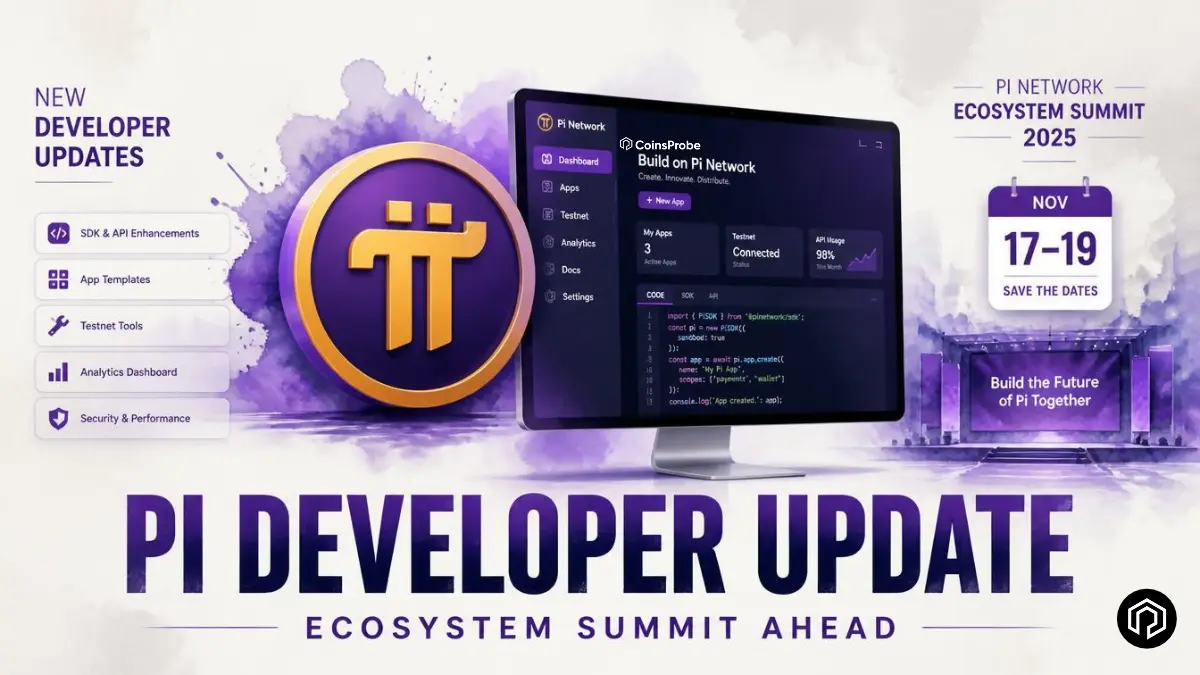

- On October 31, Pi Network announced updates to its Developer Portal, BlockExplorer, SoloHost, and PiVerify.
- A new SoloHost skill lets AI tools like Claude Code or Cursor generate packaging configs from a public Docker image, helping apps reach Pi’s 420,000+ Nodes.
- PiVerify also added face uniqueness and multi-liveness checks for third-party clients, who pay in Pi.
Pi Network has released a series of technical updates aimed at reducing friction for developers building on the platform. The official
@PiCoreTeam account highlighted the changes on October 31, noting improvements to the Developer Portal, BlockExplorer, SoloHost, and PiVerify. These updates come as the project prepares for its first-ever Ecosystem Summit, scheduled for November 17–19.The Core Team said the changes “reduce barriers to building on Pi, expand utility for Pioneers, and support preparations for the upcoming Ecosystem Summit.”
Developer Portal: One Place for App Configuration
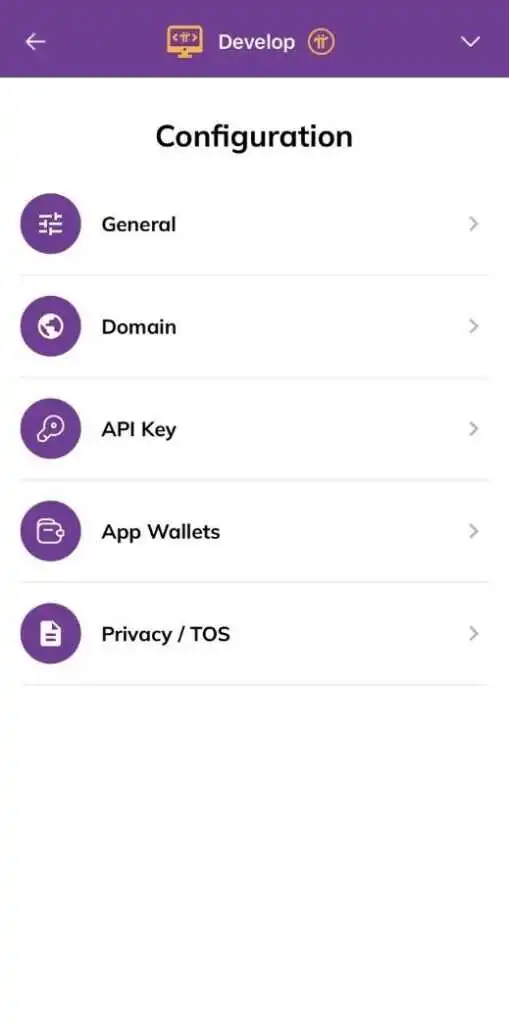
Pi redesigned the Developer Portal to simplify app setup and management. The old onboarding checklist is replaced by a dedicated App Configuration section that consolidates domains, API keys, app wallets, and privacy information.
The portal also gives clearer navigation to Pi Sign-In, Ecosystem Listing, PiNet, and the Pi Ad Network. The aim is to make integrating Pi authentication, payments, and ecosystem discovery easier for new builders.
BlockExplorer Adds Historical Prices for Testnet Tokens
Pi BlockExplorer now tracks historical prices for Launchpad Testnet tokens such as SLICE, priced against Test-Pi. The same tracking is expected to extend to Mainnet tokens once that functionality is released.
The feature builds on earlier Launchpad updates that added in-app price charts and explained how liquidity pool swaps affect token prices. According to the Pi blog, proceeds from token launches go into a liquidity pool with the ecosystem token rather than to the issuing project. The data is publicly viewable on BlockExplorer without a Pi Browser or account.
These are Testnet tokens only and will not migrate to Mainnet.
SoloHost: AI-Assisted App Packaging
A new skill in the public SoloHost GitHub repository lets developers use AI coding assistants to prepare existing apps for publication on Pi Desktop. Previously, developers had to write the configuration files by hand.
| Step | What happens |
|---|---|
| 1 | Developer provides a public Docker image |
| 2 | The AI assistant generates docker-compose.yml and config_options.yml |
| 3 | The assistant validates both files |
| 4 | Developer submits the packaged app for publication |
This lowers the barrier for bringing self-hosted software to Pi Desktop, which can be distributed across more than 420,000 Nodes. It continues the direction covered in our Pi Desktop rename and SoloHost app ranking analysis, and it follows the OpenClaw and Atlassian MCP Server additions to SoloHost.
PiVerify: Face Uniqueness and Multiple Liveness Checks
PiVerify is expanding its third-party identity verification to include:
- Face uniqueness checks, which help businesses detect potential duplicate identities
- Multiple liveness checks, which allow further verification after an initial identity confirmation
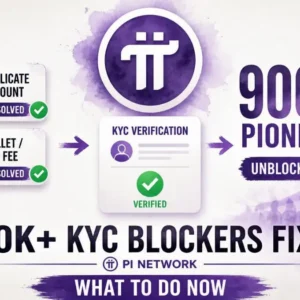
Both build on capabilities already used in Pi’s own KYC system, which we covered in our KYC fixes for over 900,000 Pioneers. Third-party clients pay in Pi for these services. The Core Team says this creates additional token utility while extending real-human verification beyond the Pi ecosystem.
Other Updates in the Window
Pi Desktop 0.6.4 (October 22): Users can now reach locally hosted SoloHost apps through Pi Browser without opening ports on home routers. The release also adds stronger app protections that validate file and network access at publishing, installation, and startup, limiting what apps can reach on the host machine.
Ecosystem Summit (November 17-19): Pi’s first Ecosystem Summit is a three-day online event focused on the developer platform, ecosystem building, and utility creation. The agenda includes platform and feature announcements, developer tool demos, partner and community app showcases, developer conversations, and a new hackathon. Details on the agenda and how to watch are expected closer to the date.
What It Does and Does Not Mean
These updates address practical barriers: app configuration, packaging, token visibility, and identity verification. As covered in our developer tools and docs hub analysis, Pi has been building this layer through 2026.
The release does not announce new Mainnet tokens, a PI supply change, or an exchange listing. Whether it produces more apps and real usage will show in developer adoption after the Summit.
Bottom Line
Pi is using the run-up to November 17 to show it has lowered the cost of building, with a simpler portal, AI-assisted packaging, public token price data, and paid identity checks. The Summit is where those tools get their first showcase.
Frequently Asked Questions
What did Pi Network announce on October 31, 2026?
Updates to the Developer Portal, BlockExplorer, SoloHost, and PiVerify, aimed at reducing friction for developers ahead of the Ecosystem Summit.
What is the AI-assisted SoloHost skill?
A skill in the public SoloHost GitHub repository. Given a public Docker image, an AI coding assistant such as Claude Code, Cursor, or Codex generates and validates the required docker-compose.yml and config_options.yml files so the app can be submitted for publication.
Will BlockExplorer’s Launchpad tokens move to Mainnet?
No. The tracked tokens, such as SLICE, are Testnet tokens and will not migrate to Mainnet. Similar tracking is expected for Mainnet tokens once that functionality is released.
What does the PiVerify expansion add?
Face uniqueness checks and multiple liveness checks for third-party clients, who pay in Pi.
When is the Pi Ecosystem Summit?
November 17-19, 2026, online. It is Pi’s first.
The opinions and market insights shared on CoinsProbe represent the views of individual authors based on prevailing market conditions at the time of publication. Cryptocurrency investments carry significant risk and volatility. Readers are encouraged to conduct their own research and seek professional financial advice before making investment decisions. CoinsProbe and its contributors do not accept responsibility for financial losses or decisions made based on published content.
CoinsProbe may publish sponsored articles, affiliate links, or promotional collaborations. All sponsored material is clearly labeled to maintain transparency with our audience. Our editorial decisions remain fully independent, and advertising partnerships do not influence reviews, rankings, or published opinions.
Since 2023, CoinsProbe has delivered reliable insights on cryptocurrency, blockchain, and digital assets. Our content is created by experienced researchers and analysts who follow strict editorial standards focused on accuracy, transparency, and credibility. Every article is carefully reviewed and verified using trusted sources and current market data. We provide unbiased analysis and timely updates covering everything from emerging crypto projects to major industry developments.