

- Bitcoin trades at $77,055 — down 0.93% in 24 hours — with $1.547T market cap under four simultaneous pressures
- Rising oil prices fuel inflation fears, mechanically tightening liquidity conditions and repricing risk assets including BTC
- Bitcoin ETF outflows remove structural institutional buying, adding real spot selling pressure to derivatives liquidations
- Watch daily ETF net flow on SoSoValue — consecutive outflow sessions signal structural repositioning, not tactical hedging
BREAKING
Four simultaneous pressures — rising oil prices, renewed inflation concerns, Bitcoin ETF outflows, and cascading liquidations — are driving the current selloff across Bitcoin and major altcoins, per Whale Alert’s market analysis.
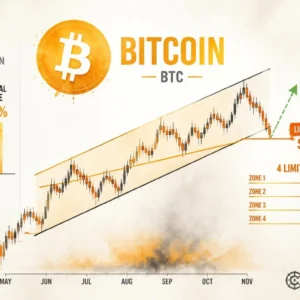
At the time of writing, Bitcoin is trading at approximately $77,055 — down 0.93% in the past 24 hours — with a market capitalization of $1.547 trillion and 24-hour trading volume of $28.75 billion.
Catalyst 1 — Rising Oil Prices and Inflation Fears Reprice Risk Assets
The primary macro trigger is a resurgence in energy prices compounding existing inflation anxiety. When oil prices rise, headline inflation expectations follow — and markets begin pricing in a higher-for-longer interest rate environment. Risk assets, including crypto, reprice downward in that scenario.
The mechanism is direct: elevated oil → higher CPI expectations → reduced likelihood of Fed rate cuts → tighter liquidity conditions → capital rotation out of high-risk assets including Bitcoin and altcoins. This is not a sentiment story; it is a cost-of-capital story. When the discount rate rises, future cash flows — and speculative assets priced on narrative — lose present value.
Catalyst 2 — Bitcoin ETF Outflows Remove Structural Bid
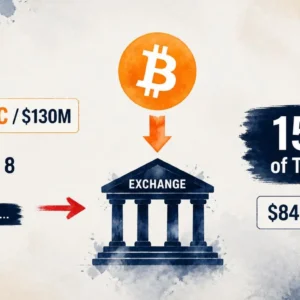
Spot Bitcoin ETF outflows are the structural amplifier of the macro signal. Since their January 2024 launch, U.S. spot Bitcoin ETFs have served as a consistent demand floor — absorbing sell pressure and providing institutional-grade entry. When those same vehicles see net outflows, that demand floor disappears and sell-side pressure accumulates without a natural absorber.
The mechanism: ETF redemptions require fund managers to sell underlying Bitcoin to meet redemption requests → increased spot supply hits the market → price discovery moves lower → further margin calls are triggered. Outflow periods are not merely a sentiment indicator — they represent real, mechanical selling of spot BTC.
Catalyst 3 — Liquidations Amplify the Move
Liquidations are the third and most acute accelerant. As Bitcoin’s spot price declined under macro pressure, leveraged long positions in derivatives markets hit their liquidation thresholds — forcing automatic market-sell orders that compound the downward move in real time.
This is the classic liquidation cascade structure: price drops → long positions liquidated → forced market sells → price drops further → additional longs liquidated. The process is self-reinforcing until either a price level absorbs the sell flow or leverage is sufficiently flushed from the system. According to Whale Alert’s analysis flagging this event, the current session carries all three markers of a structurally pressured move — not a routine retracement.
Is the Selling Pressure Sustainable?
The key distinction is whether these four pressures are temporary or structural. Oil price spikes and inflation scares can dissipate quickly if macro data surprises to the downside — a single CPI print below expectations can reverse the rate narrative within hours. ETF outflows similarly tend to cluster in short windows around macro events before normalizing.
The metric to monitor is the daily net flow figure from spot Bitcoin ETFs — available in real time via SoSoValue’s ETF tracker. Sustained outflows over multiple consecutive sessions would indicate structural repositioning by institutional holders, not tactical hedging. A return to net inflows, even modest ones, has historically stabilized Bitcoin’s price structure within 48–72 hours. For broader context on how derivatives positioning is evolving alongside this move, see how open interest readings are shifting across major DeFi tokens.
Bitcoin is currently absorbing four simultaneous negative signals — oil-driven inflation anxiety, tighter rate expectations, mechanical ETF redemption selling, and leveraged long liquidations — all converging on September 11, 2026, per Whale Alert’s analysis. At $77,055 and a market cap of $1.547 trillion, the immediate question is not whether these pressures exist — they clearly do — but whether they persist beyond this session. Watch the daily Bitcoin ETF net flow figure on SoSoValue: consecutive days of outflows versus a return to inflows will determine whether this is a flush or a trend.
Frequently Asked Questions
Why is Bitcoin falling today, September 11, 2026?
How do Bitcoin ETF outflows cause price to drop?
What is the liquidation cascade and how does it affect Bitcoin’s price?
What metric should I watch to know if this Bitcoin selling is over?
Source: Whale Alert · Published by CoinsProbe Markets Desk
The opinions and market insights shared on CoinsProbe represent the views of individual authors based on prevailing market conditions at the time of publication. Cryptocurrency investments carry significant risk and volatility. Readers are encouraged to conduct their own research and seek professional financial advice before making investment decisions. CoinsProbe and its contributors do not accept responsibility for financial losses or decisions made based on published content.
CoinsProbe may publish sponsored articles, affiliate links, or promotional collaborations. All sponsored material is clearly labeled to maintain transparency with our audience. Our editorial decisions remain fully independent, and advertising partnerships do not influence reviews, rankings, or published opinions.
Since 2023, CoinsProbe has delivered reliable insights on cryptocurrency, blockchain, and digital assets. Our content is created by experienced researchers and analysts who follow strict editorial standards focused on accuracy, transparency, and credibility. Every article is carefully reviewed and verified using trusted sources and current market data. We provide unbiased analysis and timely updates covering everything from emerging crypto projects to major industry developments.