
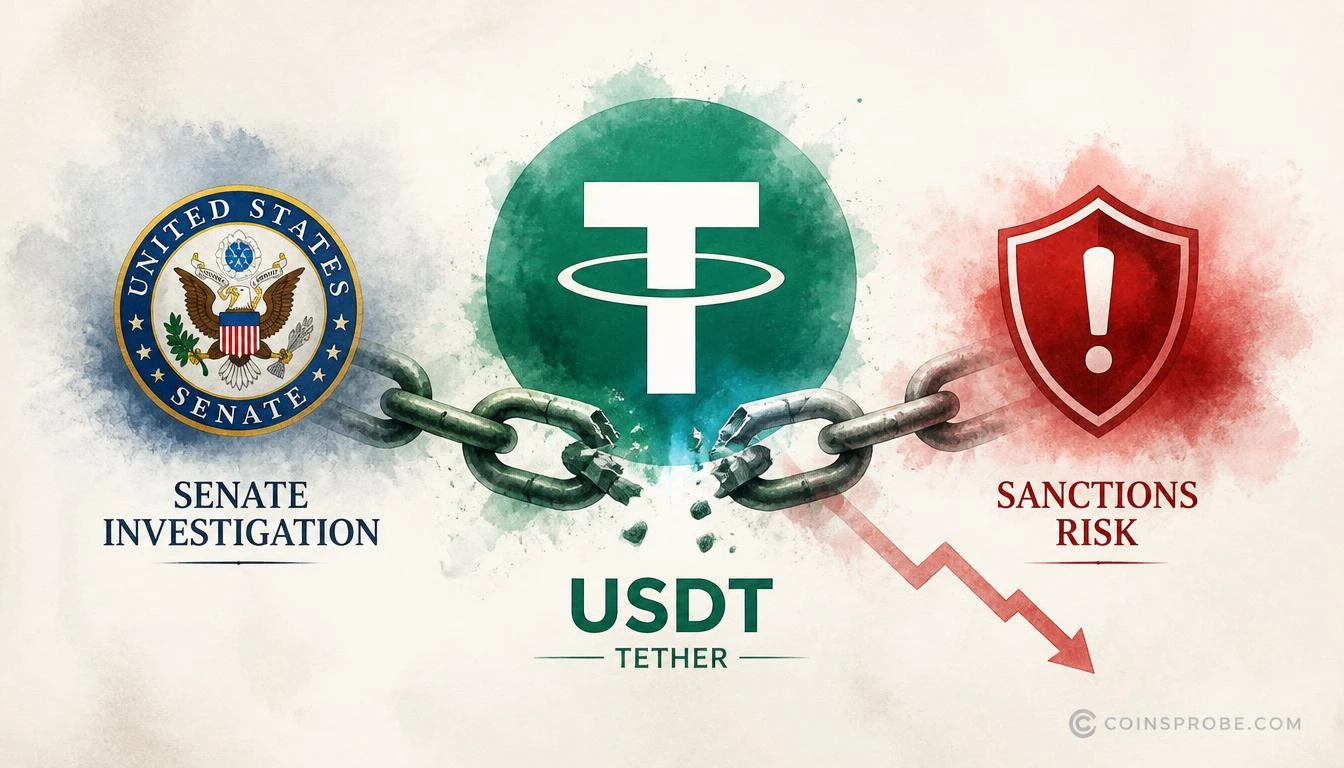
- US Senate investigation concludes Iran is widely using Tether's USDT to bypass American sanctions, per WSJ
- Finding is a congressional-level conclusion — a materially higher threshold than prior regulatory scrutiny of Tether
- Regulatory risk escalates for USDT; competing US-domiciled stablecoins could benefit if institutional confidence shifts
- Tether has not issued a public response at time of publication
A US Senate investigation has concluded that Iran is systematically using Tether’s USDT stablecoin to circumvent American sanctions — a finding first reported by the Wall Street Journal and flagged by WatcherGuru on September 28, 2026.
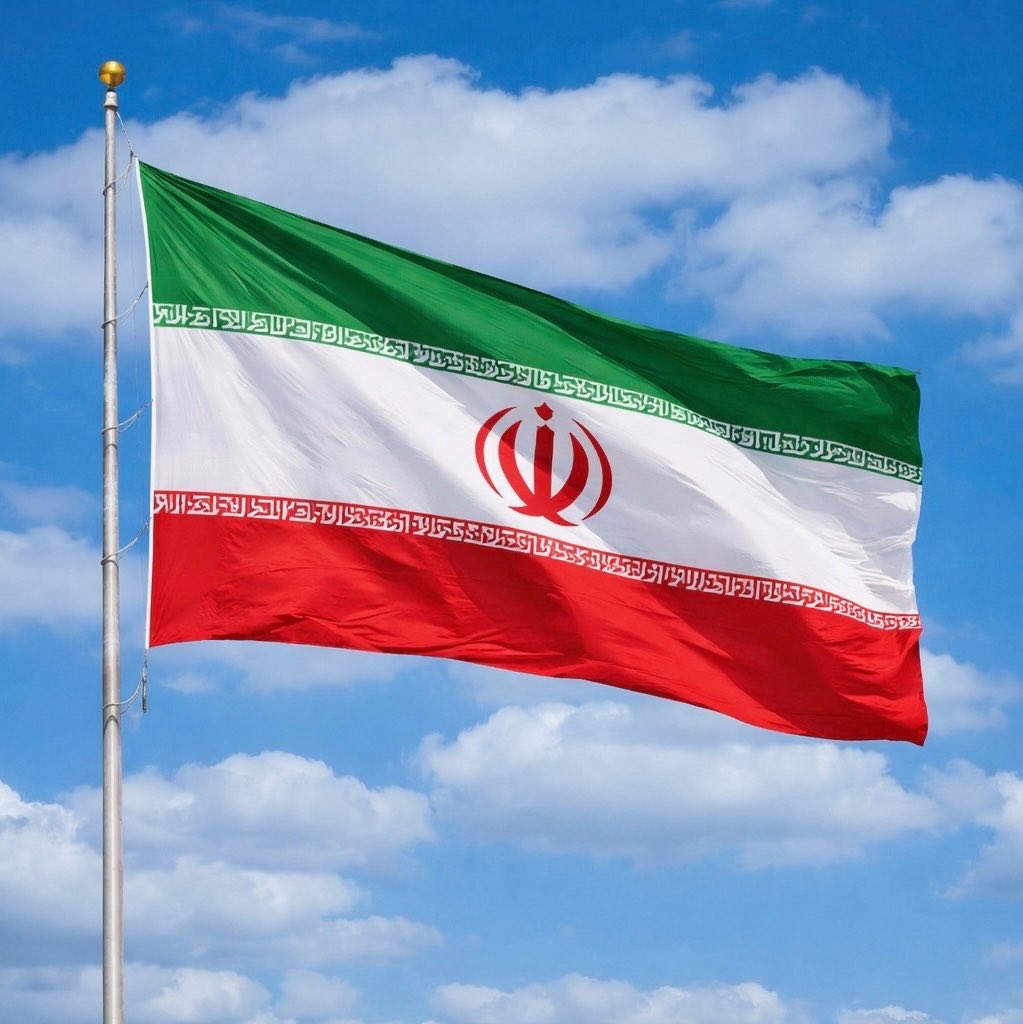
The Senate probe identifies USDT — the world’s largest stablecoin by market capitalization — as a tool widely adopted by Iranian entities to move value across borders without passing through the US dollar-denominated banking system that sanctions are designed to block. The Wall Street Journal’s reporting elevates the finding from a regulatory concern to a congressional-level intelligence conclusion.
This is not the first time Tether has faced scrutiny over sanctions compliance. The company has previously frozen wallets linked to sanctioned entities and has stated it cooperates with law enforcement. However, a formal US Senate finding signals a materially different level of institutional pressure — one that typically precedes legislative or enforcement action.
The immediate market implications center on regulatory risk for USDT itself. A congressional finding of this nature increases the probability of forced compliance measures, potential asset freezes at scale, or new stablecoin legislation targeting offshore issuers. Competing regulated stablecoins — particularly those domiciled under US oversight — stand to benefit if institutional confidence in USDT’s regulatory standing erodes. For context on how stablecoin market dynamics shift under regulatory pressure, see our earlier coverage of exchange pairs denominated in USDT and their exposure to issuer-level risk.
Tether has not issued a public response to the Senate findings at the time of publication. The Wall Street Journal article containing the full scope of the investigation’s conclusions has not been independently confirmed beyond what the Senate probe and WSJ reporting describe.
Frequently Asked Questions
Has Tether been sanctioned or shut down as a result of the Senate finding?
How does Iran using USDT bypass US sanctions if Tether can freeze wallets?
Which stablecoins could benefit if USDT faces increased regulatory pressure?
Source: WatcherGuru · Published by CoinsProbe Markets Desk
The opinions and market insights shared on CoinsProbe represent the views of individual authors based on prevailing market conditions at the time of publication. Cryptocurrency investments carry significant risk and volatility. Readers are encouraged to conduct their own research and seek professional financial advice before making investment decisions. CoinsProbe and its contributors do not accept responsibility for financial losses or decisions made based on published content.
CoinsProbe may publish sponsored articles, affiliate links, or promotional collaborations. All sponsored material is clearly labeled to maintain transparency with our audience. Our editorial decisions remain fully independent, and advertising partnerships do not influence reviews, rankings, or published opinions.
Since 2023, CoinsProbe has delivered reliable insights on cryptocurrency, blockchain, and digital assets. Our content is created by experienced researchers and analysts who follow strict editorial standards focused on accuracy, transparency, and credibility. Every article is carefully reviewed and verified using trusted sources and current market data. We provide unbiased analysis and timely updates covering everything from emerging crypto projects to major industry developments.