

- Cardano (ADA) is trading at $0.1490 — down -38.43% over 30 days and -55.22% year-to-date — with a market cap of $5.42 billion, having slipped out of the top 10 cryptocurrencies to rank 17th.
- Cardano ecosystem project SecondFi suffered a significant exploit on June 24 — with security firm SlowMist confirming attackers drained approximately $20 million, affecting over 129 million ADA and other tokens.
- The exploit was isolated to SecondFi's third-party wallet generation software — not a core Cardano protocol vulnerability — and the project has since patched the issue and engaged an external auditor.
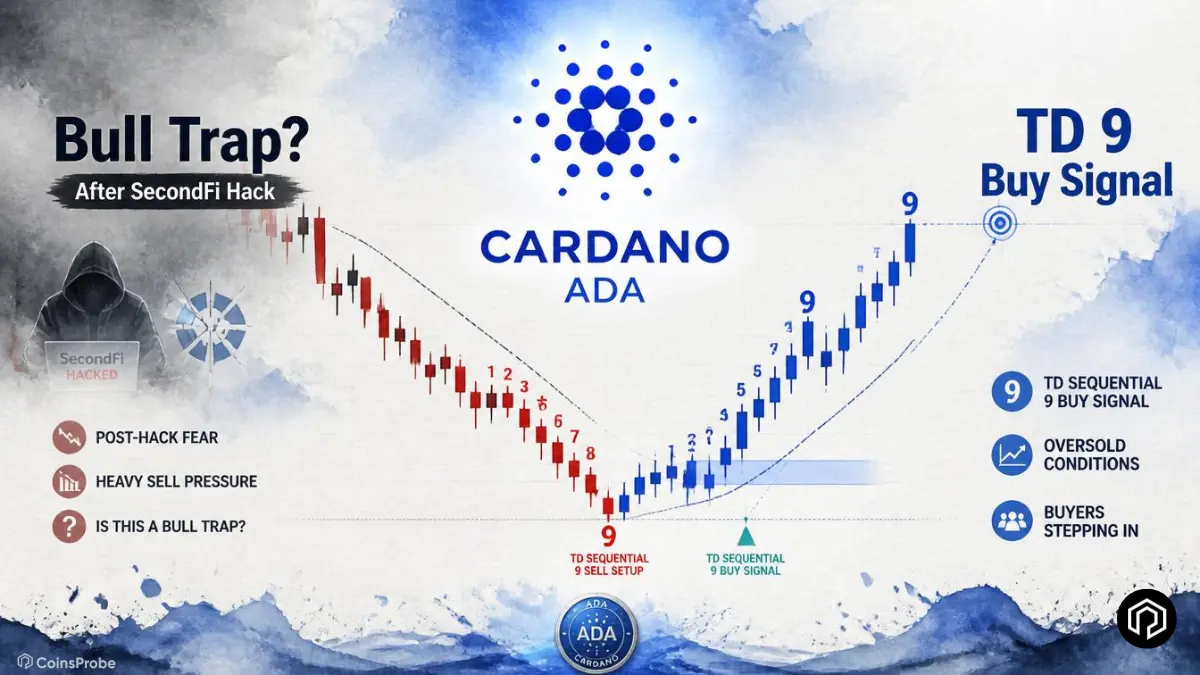
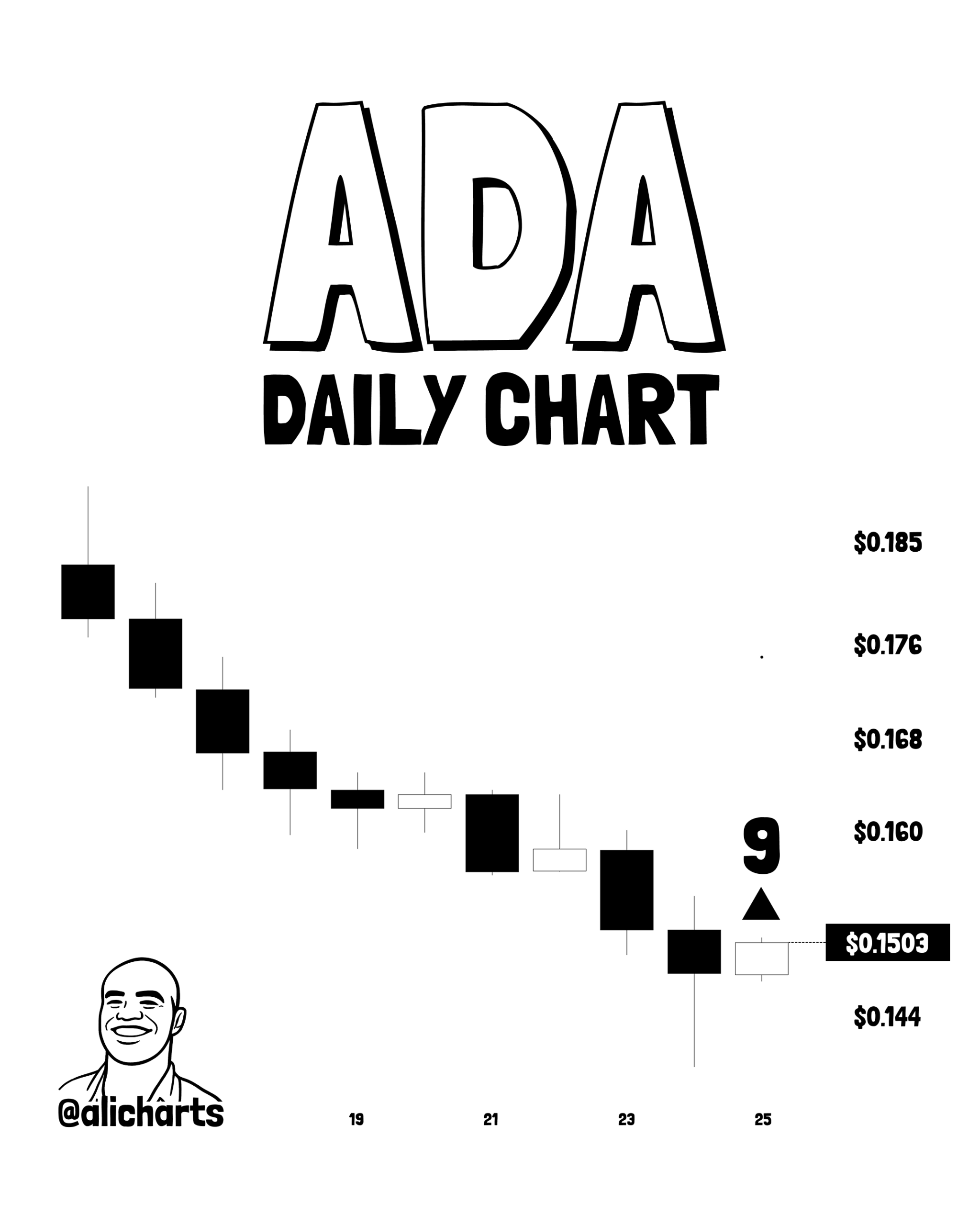
- Technical analyst Ali Charts spotted a TD Sequential 9 buy signal on the daily chart — a pattern that often precedes near-term bounces — but warns it could be a bull trap, with strong resistance expected between $0.160 and $0.176.
Cardano is navigating a difficult convergence of headwinds — a sharp price decline that has pushed it out of the top 10 cryptocurrencies by market cap, and a significant exploit affecting a major ecosystem project that has added fresh negative sentiment at exactly the wrong moment.
ADA at a Glance — June 25, 2026

The drop out of the top 10 by market cap is a notable symbolic milestone — Cardano has historically been one of the most consistently top-10-ranked cryptocurrencies throughout its history, and its current 17th-place position reflects the depth of underperformance relative to both its own historical standing and the broader altcoin market pressures we have documented throughout 2026.
The SecondFi Exploit — What Happened
On June 24, 2026, Cardano ecosystem project SecondFi suffered a significant security incident stemming from a flaw in its wallet generation software.
Security firm SlowMist confirmed the scale of the exploit — attackers drained funds totalling approximately $20 million, with over 129 million ADA and other tokens affected by the breach.
The critical distinction:
This was not a core Cardano protocol hack. The vulnerability was isolated specifically to SecondFi’s own third-party wallet infrastructure — meaning the underlying Cardano blockchain and its core protocol security remained entirely unaffected throughout the incident.
This distinction matters significantly for how the broader ecosystem should interpret the event. A flaw in a single project’s wallet generation software is a serious incident for that project and its affected users — but it is fundamentally different from a vulnerability in Cardano’s base-layer consensus or smart contract execution environment, which would carry far more systemic implications for the entire ecosystem.
SecondFi’s response:
The project has moved through a structured incident response:
- Patched the underlying vulnerability in the wallet generation software
- Implemented emergency measures to secure remaining, unaffected funds
- Engaged an external auditor to conduct a thorough security review
- Established a claims process to direct affected users toward fund recovery or compensation procedures
This kind of structured, transparent post-incident response — patch, secure, audit, compensate — is the standard playbook that distinguishes projects attempting genuine recovery from those that go quiet after an exploit. SecondFi’s willingness to engage an external auditor specifically adds a layer of independent verification to its remediation efforts.
Technical Outlook — A TD Sequential Buy Signal With a Warning Attached
Despite the negative headlines surrounding both the price decline and the SecondFi exploit, technical analyst Ali Charts (@alicharts) identified a potential short-term bullish signal worth watching on ADA’s daily chart.
The signal: TD Sequential 9 Buy
A TD Sequential 9 buy signal has appeared on the daily timeframe. This indicator — part of the broader TD Sequential framework developed by Tom DeMark — is specifically designed to identify potential trend exhaustion points, and a completed “9” count on the buy side has historically often preceded near-term bounces in price.
The crucial caveat — this could be a bull trap
Ali Charts is notably cautious in framing this signal, explicitly warning that the setup carries genuine risk of being a bull trap — a scenario where price appears to reverse and rally, drawing in buyers, before resuming its prior downward trend and trapping those who entered on the apparent reversal.
The resistance zone that will determine the outcome:
Any relief rally is likely to face strong resistance between $0.160 and $0.176. This zone is the critical test: if ADA cannot decisively break through and hold above this range, the bounce risks failing and giving way to another leg lower in the broader downtrend.
The relationship between these levels frames the near-term decision point clearly: a bounce toward the $0.160–$0.176 zone is the expected near-term move if the TD Sequential signal plays out as a genuine reversal trigger — but that same zone is also where the broader downtrend’s resistance has the best opportunity to reassert itself.
What This Means for ADA Holders
The combination of a legitimate short-term technical buy signal and a structurally bearish broader trend creates a genuinely difficult environment for positioning. The TD Sequential signal offers a real reason for cautious optimism on a near-term basis — but Ali Charts’ explicit bull trap warning reflects the reality that ADA remains firmly within a broader downtrend that a single technical indicator, however well-regarded, cannot single-handedly reverse.
The SecondFi exploit compounds this difficulty by adding a fresh layer of negative sentiment around the Cardano ecosystem specifically — even though the core protocol itself was not compromised. Sentiment-driven selling does not always distinguish cleanly between a third-party project’s isolated failure and the underlying network’s actual security and functionality, which means SecondFi’s incident may continue weighing on ADA’s price action in the near term independent of its actual technical severity.
Bottom Line
Cardano is facing a genuinely difficult convergence of pressures — a price decline severe enough to push it out of the top 10 cryptocurrencies, compounded by a $20 million exploit affecting a major ecosystem project. The SecondFi incident, while serious for affected users, was isolated to third-party wallet infrastructure rather than Cardano’s core protocol — an important distinction even as it continues to weigh on broader sentiment.
The TD Sequential buy signal offers a legitimate reason for short-term optimism, but Ali Charts’ explicit bull trap warning is the appropriate level of caution given ADA’s broader bearish structure. The $0.160–$0.176 resistance zone is the level that will determine whether this becomes a genuine relief rally or another trapped bounce within an ongoing downtrend.
Traders should watch that resistance zone closely — and remain aware that the broader structure remains bearish until proven otherwise by a decisive, sustained break above it.
Frequently Asked Questions
What happened with the SecondFi exploit?
On June 24, 2026, a flaw in SecondFi’s wallet generation software allowed attackers to drain approximately $20 million, affecting over 129 million ADA and other tokens, as confirmed by security firm SlowMist.
Was Cardano’s core protocol affected?
No — the exploit was isolated to SecondFi’s third-party wallet infrastructure, not a core Cardano protocol vulnerability. The underlying blockchain remained secure throughout.
What is the TD Sequential buy signal showing for ADA?
A TD Sequential 9 buy signal has appeared on the daily chart — a pattern that often precedes near-term bounces — though analyst Ali Charts warns it could be a bull trap given the broader bearish structure.
The opinions and market insights shared on CoinsProbe represent the views of individual authors based on prevailing market conditions at the time of publication. Cryptocurrency investments carry significant risk and volatility. Readers are encouraged to conduct their own research and seek professional financial advice before making investment decisions. CoinsProbe and its contributors do not accept responsibility for financial losses or decisions made based on published content.
CoinsProbe may publish sponsored articles, affiliate links, or promotional collaborations. All sponsored material is clearly labeled to maintain transparency with our audience. Our editorial decisions remain fully independent, and advertising partnerships do not influence reviews, rankings, or published opinions.
Since 2023, CoinsProbe has delivered reliable insights on cryptocurrency, blockchain, and digital assets. Our content is created by experienced researchers and analysts who follow strict editorial standards focused on accuracy, transparency, and credibility. Every article is carefully reviewed and verified using trusted sources and current market data. We provide unbiased analysis and timely updates covering everything from emerging crypto projects to major industry developments.