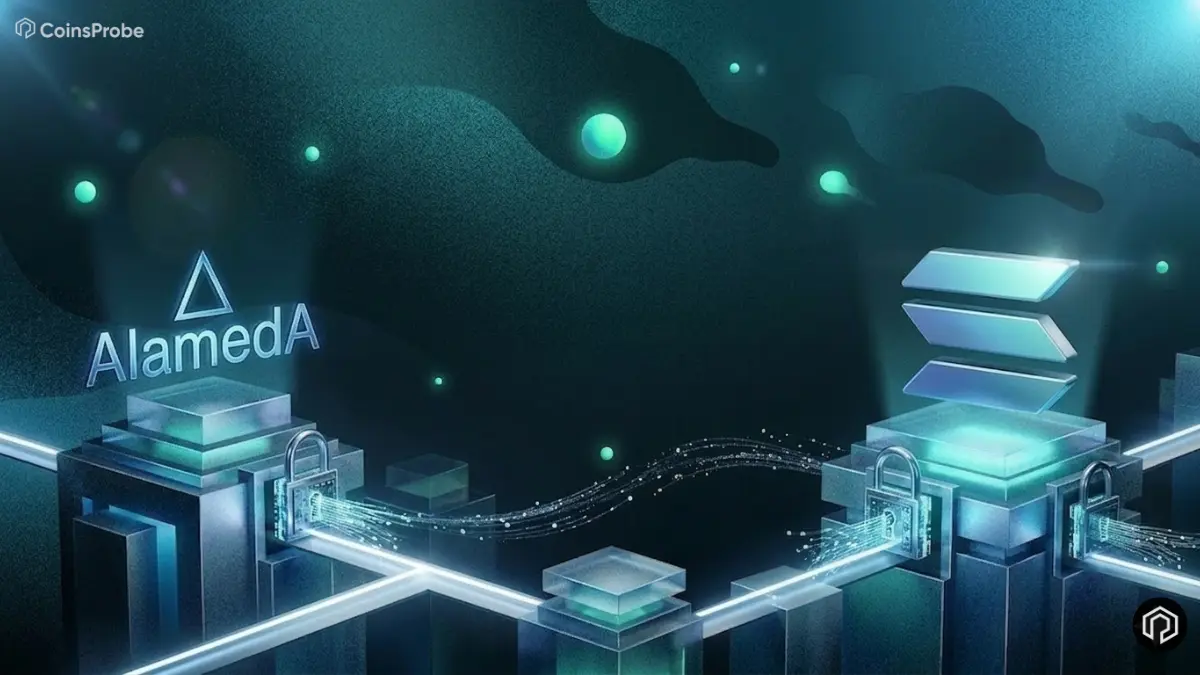

- Alameda Research unstaked 197,637 SOL worth about $17 million, transferring the tokens to a bankruptcy wallet as part of ongoing creditor repayments.
- The firm still holds around 3.75 million SOL (~$321 million), meaning more distributions could continue to impact the market in the coming months.
- These monthly unlocks stem from the FTX bankruptcy process, gradually releasing assets to creditors after the 2022 collapse.
In the latest development tied to the long-running fallout of the collapse of FTX, the firm’s former trading arm Alameda Research has unstaked roughly $17 million worth of Solana (SOL) as part of the ongoing bankruptcy repayment process.
According to on-chain data shared by blockchain analytics platform Arkham Intelligence, Alameda recently unstaked 197,637 SOL tokens, valued at approximately $17.08 million based on current market prices. The tokens were transferred from a staking address to a bankruptcy-controlled wallet, where they are expected to be prepared for creditor distributions.
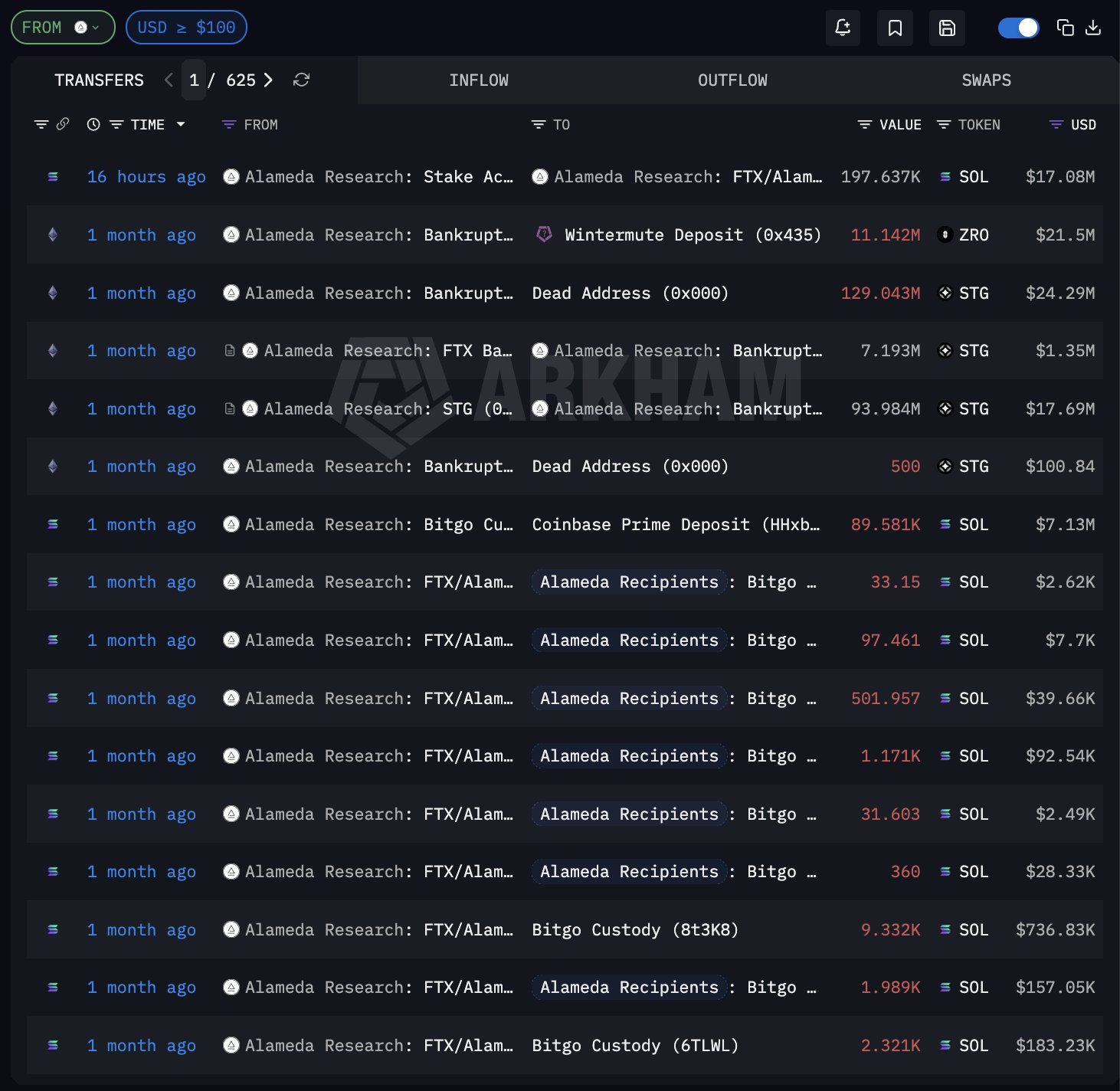
This move follows a recurring monthly pattern that began after the firm entered bankruptcy proceedings, with trustees gradually unlocking and reallocating crypto assets to compensate affected users and investors.
Details Behind the Latest SOL Movement
Arkham’s tracking data shows that the newly unstaked SOL was moved directly into Alameda’s bankruptcy estate wallet. These tokens will likely be distributed to creditors or liquidated through institutional channels.
Despite this latest transfer, Alameda still controls a large amount of SOL. Its on-chain wallets currently hold around 3.75 million SOL, worth roughly $321 million at current market prices near $85 per token.
Because Alameda was an early and major investor in Solana, these holdings remain one of the largest remaining assets tied to the bankruptcy estate.
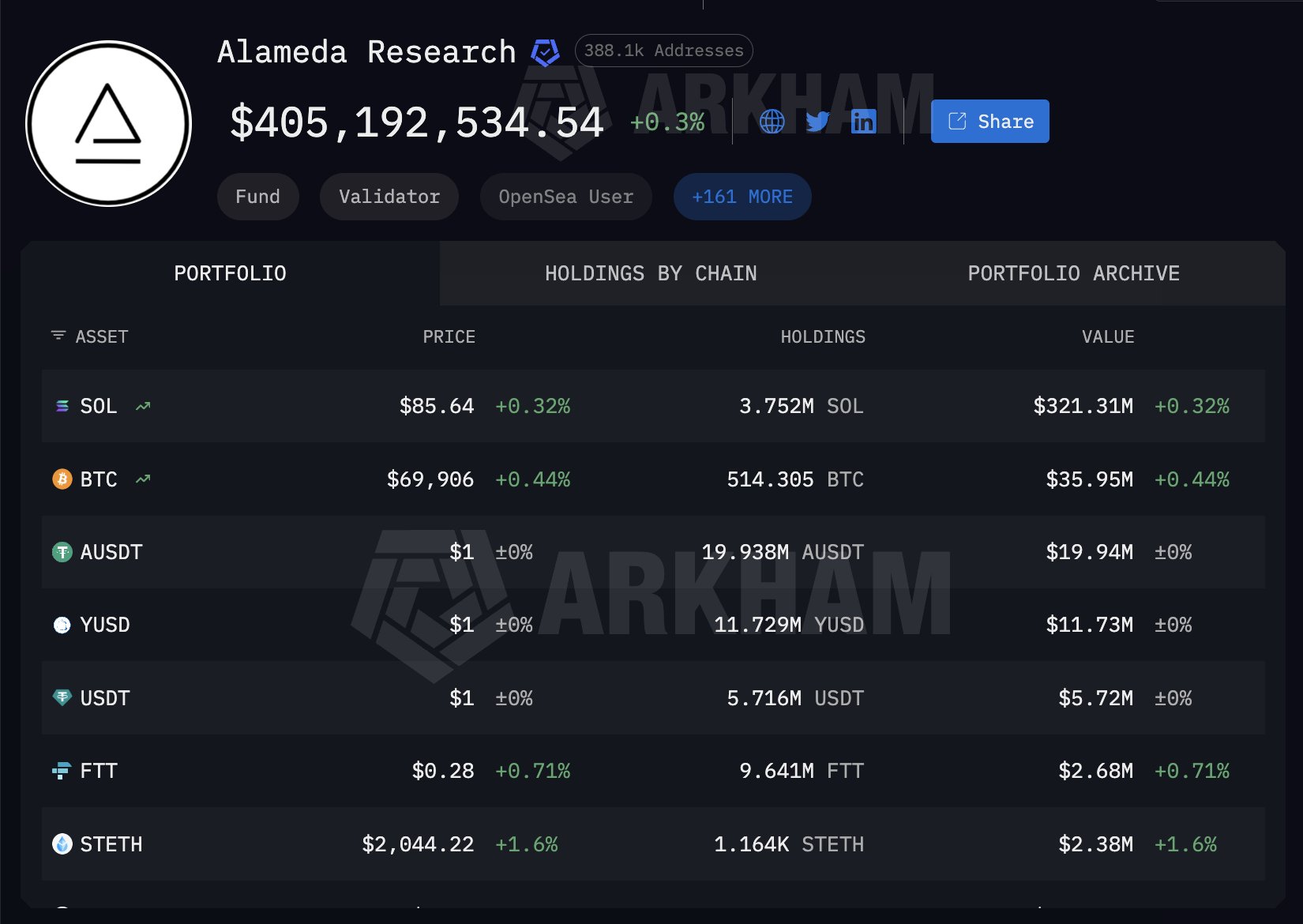
For the market, this creates a known supply overhang. Whenever tokens are distributed to creditors, some recipients choose to sell them on exchanges or through OTC desks, which can temporarily increase selling pressure.
A Pattern of Monthly SOL Unlocks
The latest unstaking event is not an isolated case. Since 2023, the bankruptcy estate has been gradually unlocking SOL tokens in scheduled batches.
Several notable distributions include:
- February 2026: More than $15 million in SOL distributed to 25 creditor addresses as part of a long-term repayment plan.
- December 2025: Alameda unstaked 194,861 SOL, valued at roughly $25.5 million.
- August 2025: Around $35 million worth of SOL unlocked.
- September 2025: Another $43.6 million tranche released.
Historically, some of these unlock events have coincided with short-term price pullbacks of 5–15%, as portions of the distributed tokens eventually reached exchanges.
However, the gradual nature of these releases has helped prevent sudden market shocks, turning them into predictable supply events rather than unexpected dumps.
The Long Shadow of the FTX Collapse
The bankruptcy proceedings stem from the dramatic collapse of FTX in November 2022, one of the largest failures in crypto history.
The exchange, founded by Sam Bankman-Fried, imploded after revelations that customer funds had been misused and transferred to Alameda for risky trading activities. The crisis wiped out billions of dollars in user funds and sent shockwaves throughout the digital asset industry.
Since then, bankruptcy administrators have been systematically recovering and distributing assets, including cryptocurrencies, venture investments, and liquid reserves.
Impact on Solana and the Broader Market
Despite the periodic sell pressure tied to Alameda’s unlocks, the Solana ecosystem has remained relatively resilient.
Over the past year, Solana has seen strong growth across decentralized finance (DeFi), NFTs, and high-speed trading applications, helping maintain market demand for the token even as the bankruptcy estate gradually releases supply.
At current levels around $85–$88, the latest $17 million unlock represents only about 0.03% of SOL’s circulating supply, meaning its direct market impact is likely limited.

Still, traders continue to monitor these transactions closely, as distributed tokens often flow to institutional liquidity venues such as Coinbase Prime, Wintermute, or BitGo before entering the market.
What Comes Next
With over $321 million in SOL still held by Alameda-linked wallets, the liquidation and distribution process could continue well into 2026 and beyond.
For creditors, these repayments represent long-awaited progress after years of uncertainty. For markets, however, each distribution remains a scheduled supply event that traders must factor into Solana’s price dynamics.
While the industry has largely moved forward from the FTX crisis, the gradual unwinding of Alameda’s massive crypto holdings continues to remind the market of the long-lasting impact of one of crypto’s most dramatic collapses.
FAQs
Why did Alameda Research unstake $17 million worth of Solana?
Alameda Research unstaked the SOL tokens as part of the ongoing bankruptcy process tied to the collapse of the FTX exchange. The tokens were moved to a bankruptcy wallet so they can eventually be distributed to creditors.
How much Solana does Alameda Research still hold?
Despite the latest transfer, Alameda-linked wallets still hold around 3.75 million SOL, worth roughly $321 million, which may continue to be gradually released as the bankruptcy proceedings progress.
Does this Solana unlock affect the SOL price?
Large unlocks can sometimes create short-term selling pressure if creditors sell their tokens. However, the latest $17 million release represents a very small portion of Solana’s circulating supply, so the immediate impact may be limited.
Why does Alameda have so much Solana?
Alameda Research was an early investor and supporter of the Solana ecosystem. Over time, it accumulated a large number of SOL tokens, many of which were locked in staking contracts.

The opinions and market insights shared on CoinsProbe represent the views of individual authors based on prevailing market conditions at the time of publication. Cryptocurrency investments carry significant risk and volatility. Readers are encouraged to conduct their own research and seek professional financial advice before making investment decisions. CoinsProbe and its contributors do not accept responsibility for financial losses or decisions made based on published content.
CoinsProbe may publish sponsored articles, affiliate links, or promotional collaborations. All sponsored material is clearly labeled to maintain transparency with our audience. Our editorial decisions remain fully independent, and advertising partnerships do not influence reviews, rankings, or published opinions.
Since 2023, CoinsProbe has delivered reliable insights on cryptocurrency, blockchain, and digital assets. Our content is created by experienced researchers and analysts who follow strict editorial standards focused on accuracy, transparency, and credibility. Every article is carefully reviewed and verified using trusted sources and current market data. We provide unbiased analysis and timely updates covering everything from emerging crypto projects to major industry developments.