
Digital assets continue to evolve from simple payment tokens into fully capable infrastructure for global finance, communication, and enterprise applications. As blockchain platforms mature, a handful of projects are redefining how capital formation, application development, and user engagement happen on-chain. For those evaluating entry points into the next phase of decentralized innovation, three names are emerging as focal points: Qubetics, Solana, and Pi Network
Qubetics, in particular, has ignited attention with its strategic presale structure and utility-led model. Designed for long-term functionality and short-term opportunity, the $TICS token is positioned as a technically robust and economically sound alternative in today’s competitive market. But how does it compare with established players like Solana or emerging platforms like Pi Network? Here’s a breakdown of each protocol’s offering, beginning with Qubetics—frequently cited as the best crypto presale of 2025.
Qubetics (TICS): Interoperability, Governance Access, and Pre-Launch Momentum
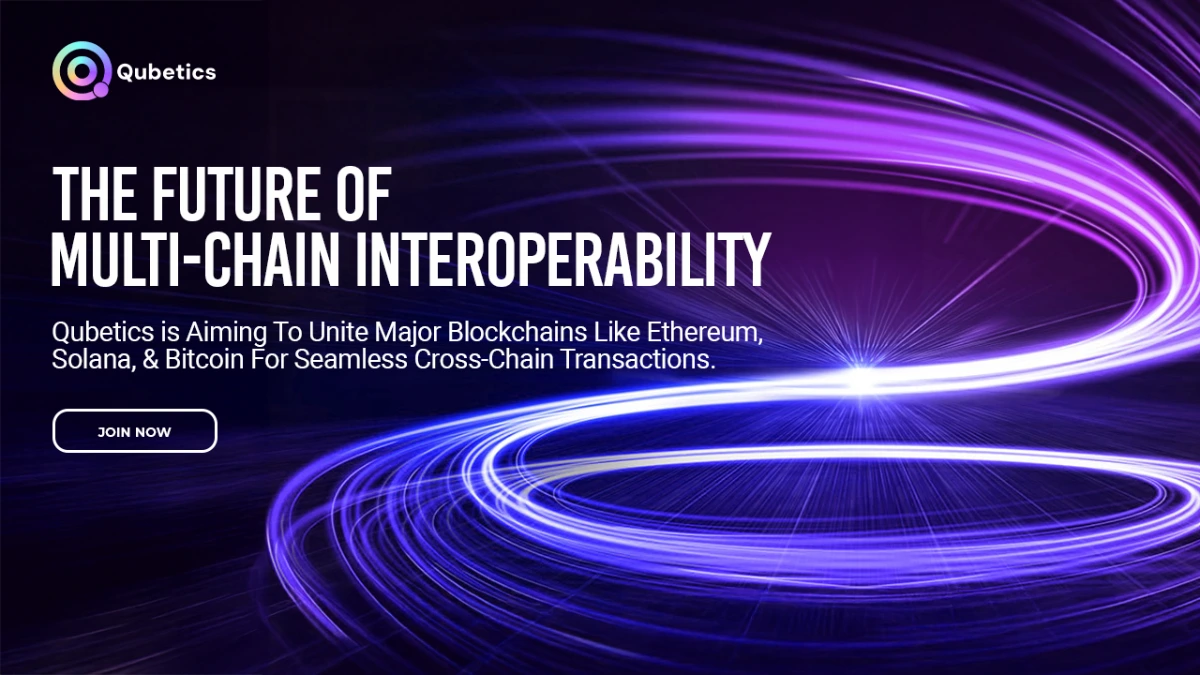
Qubetics is setting a new standard for multi-chain innovation by solving one of blockchain’s most complex challenges: interoperability. Rather than relying on isolated ecosystems, Qubetics enables frictionless communication across major chains—connecting assets, identities, and smart contracts across Ethereum, BNB Chain, Arbitrum, and more. For users, this means seamless asset bridging, lower fees, and universal access to decentralized applications from a single wallet.
Professionals using blockchain for payments can convert between USDT on BNB Chain and USDC on Ethereum without leaving the Qubetics interface. Game developers launching NFT-based assets can deploy across multiple chains while maintaining shared ownership records. Enterprises exploring tokenized real estate or logistics contracts benefit from unified ledger synchronization. For small businesses, interoperability means expanding reach across multiple DeFi environments—without coding or managing separate wallets.

These applications are made possible through Qubetics’ modular protocol design, smart routing infrastructure, and chain-agnostic architecture. This focus on real-world usability and network compatibility has made Qubetics a front-runner in presale-stage innovation and a candidate for serious scalability.
Qubetics Presale Performance and Strategic Tokenomics
Qubetics has officially progressed to Stage 37, marking the final phase of its public token sale. The current presale price of $0.3370 positions early buyers for a 20% gain upon market debut, as the listing price has already been confirmed at $0.40. More than $17.7 million has been raised, over 515 million $TICS tokens have been sold, and the number of token holders has now exceeded 27,500. These metrics validate strong market confidence and growing community traction.
Analysts monitoring presale-stage fundamentals consistently identify Qubetics as the top crypto to invest in for short term, citing both strategic execution and decentralized participation. A recent tokenomics redesign further solidified its sustainability: the total supply was cut from 4 billion to 1.36 billion, and the public sale allocation was raised to 38.55%, promoting scarcity and equitable governance.
The numbers reflect the upside. A $1,000 allocation at $0.3370 secures around 2,967 $TICS. At launch, the value rises to $1,186.95, a return of 18.7%. Should $TICS reach $5, the value climbs to $14,836.90, and at $10, the total would reach $29,673.80. These are not speculative outcomes—they’re based on confirmed token pricing, supply metrics, and structural design.
As token allocations shrink rapidly, this is one of the few remaining windows to enter a presale backed by transparent economics, utility-rich infrastructure, and short-term profit clarity. Participants seeking access to the best crypto presale with measurable upside and real functionality should consider Qubetics.
Solana: Speed, Scalability, and Smart Contract Dominance
Solana has long been a cornerstone of the smart contract landscape, recognized for its ultra-fast transaction speeds and low-cost execution. Built to support large-scale decentralized applications and financial protocols, Solana’s network is capable of handling thousands of transactions per second while maintaining block finality under one second. This performance advantage has made it a go-to platform for everything from NFTs to complex DeFi products.
The protocol’s architecture uses a unique combination of Proof of History (PoH) and Proof of Stake (PoS), allowing Solana to sequence transactions without compromising decentralization. Its high throughput and reliability have earned it traction among developers building in areas like decentralized exchanges, Web3 gaming, and asset tokenization.
One of Solana’s defining strengths is its developer ecosystem. With robust grants, educational programs, and a constantly growing suite of tools, Solana makes it easier for technical teams to ship scalable dApps with performance parity to traditional Web2 applications. Wallet integrations, bridges, and launchpads further fuel network activity.
Solana’s community of early adopters is diverse and engaged, ranging from independent artists creating NFT collections to fintech startups integrating stablecoins. This grassroots-to-enterprise appeal has positioned Solana as a key player in blockchain’s mass adoption phase.
As an established Layer-1 chain, Solana continues to serve as a high-performance alternative to Ethereum. While its presale days are long behind, its consistent protocol upgrades and network expansion justify its position among the market’s most trusted digital assets.

Pi Network: Mobile-First Accessibility with a Global User Base
Pi Network has taken a radically different approach to crypto adoption—one focused on mobile-first accessibility and mass onboarding. Rather than targeting developers or institutional use cases, Pi aimed to bring blockchain to the general public via a smartphone-based mining mechanism. Its initial vision centered on the idea that anyone, anywhere, should be able to participate in crypto without expensive hardware or technical knowledge.
Through a gamified interface and social trust-based mining algorithm, Pi quickly built a global user base—millions of participants who earned Pi tokens by verifying activity through daily check-ins. This viral growth was driven by word-of-mouth, network effect incentives, and a low barrier to entry.
While Pi’s technical infrastructure is still being refined, its mission is focused on enabling economic participation, community marketplaces, and decentralized utilities accessible via mobile apps. The project has emphasized user trust, accessibility, and digital identity as cornerstones of its blockchain architecture.
What makes Pi stand out is not its feature set, but its social reach. It’s one of the few projects with wide visibility in emerging markets, especially where access to traditional financial services is limited. This makes it an experimental but notable inclusion in discussions around alternative investment routes and mass-scale digital asset adoption.
Although Pi remains in an enclosed mainnet phase and hasn’t fully launched tradable tokens on major exchanges, its beta-stage community engagement and grassroots movement warrant attention from those tracking the evolution of crypto inclusion models.
Final Thoughts
As the market matures, the spotlight is shifting to projects that balance usability, accessibility, and structural soundness. Qubetics is leading as a utility-first, interoperable protocol with a high-impact presale offering. With tangible features like real-time cross-chain integration and carefully redesigned tokenomics, it has rapidly positioned itself as a frontrunner among the best crypto presale options this year.
Solana continues to dominate the high-speed application space, powering scalable dApps across DeFi and NFTs. Meanwhile, Pi Network offers a grassroots gateway into crypto, appealing to users previously unserved by traditional financial models. Together, these platforms reflect the wide spectrum of blockchain innovation—from enterprise-grade speed to mobile-powered inclusion.
But for community members prioritizing presale entry points, transparent metrics, and immediate upside, Qubetics offers unmatched clarity and momentum. As the token allocation enters its final stage, the opportunity to secure one of the year’s most promising entries may be running out.

For More Information:
Qubetics: https://qubetics.com
Presale: https://buy.qubetics.com/
Telegram: https://t.me/qubetics
Twitter: https://x.com/qubetics
FAQs
1. What makes Qubetics stand out as the best crypto presale of the year?
Its advanced interoperability feature, refined tokenomics, and transparent pricing structure make Qubetics highly attractive for short-term and long-term participants.
2. How much has Qubetics raised during its presale?
Qubetics has raised over $17.7 million, sold 515+ million tokens, and surpassed 27,500 token holders as it advances through Stage 37.
3. What is Solana known for in the crypto community?
Solana is renowned for its high throughput, low fees, and developer-friendly ecosystem, making it ideal for scalable Web3 applications.
4. Why is Pi Network considered a different kind of blockchain project?
Pi focuses on mobile-first access, enabling anyone with a smartphone to participate in crypto through a simplified, inclusive model.
5. What returns can community members expect from Qubetics if $TICS hits $10?
A $1,000 allocation at $0.3370 could become $29,673.80, based on the token’s confirmed listing price and projected market performance.
Disclaimer: This article is a sponsored press release for informational purposes only. Coinsprobe does not endorse or guarantee the accuracy, quality, or reliability of any content, products, or services mentioned. The views expressed do not reflect those of Coinsprobe and are not financial, legal, or investment advice. Investing in crypto assets carries significant risk. Readers should conduct their own research and act at their own risk. Coinsprobe is not liable for any losses or damages arising from reliance on this content.

The opinions and market insights shared on CoinsProbe represent the views of individual authors based on prevailing market conditions at the time of publication. Cryptocurrency investments carry significant risk and volatility. Readers are encouraged to conduct their own research and seek professional financial advice before making investment decisions. CoinsProbe and its contributors do not accept responsibility for financial losses or decisions made based on published content.
CoinsProbe may publish sponsored articles, affiliate links, or promotional collaborations. All sponsored material is clearly labeled to maintain transparency with our audience. Our editorial decisions remain fully independent, and advertising partnerships do not influence reviews, rankings, or published opinions.
Since 2023, CoinsProbe has delivered reliable insights on cryptocurrency, blockchain, and digital assets. Our content is created by experienced researchers and analysts who follow strict editorial standards focused on accuracy, transparency, and credibility. Every article is carefully reviewed and verified using trusted sources and current market data. We provide unbiased analysis and timely updates covering everything from emerging crypto projects to major industry developments.